Your lender or real estate agent just flagged a WDI report requirement, and now you’re trying to figure out what that means before your closing date arrives. You’re not alone. It’s one of the most misunderstood steps in a New Jersey home sale, and the terminology alone is enough to throw people off.
Here’s what matters right away: New Jersey sits in Termite Infestation Probability Zone 2, a classification under the International Residential Code that designates the state as moderate to heavy termite pressure. That rating is why FHA and VA lenders require a specific inspection form before approving loans on residential properties here. Salem County properties carry that elevated baseline risk, and if you’re using either loan type, the inspection isn’t optional.
We’ve been serving Salem County homeowners, buyers, and sellers since 2009, and owner Brian Szymborski has spent more than 30 years in pest control. What we see repeatedly is that people reach this step of the transaction without the information they need to move confidently. This post covers what the inspection involves, what findings actually mean, and what both buyers and sellers should understand before ordering one.
WDI & WDO: What the Terms Mean and Why NJ Uses Both
Real estate agents often say “termite inspection” as shorthand, but what your lender is requesting is a WDI report completed on a standardized document called the NPMA-33. WDI stands for Wood-Destroying Insect. WDO, Wood-Destroying Organism, is a broader term used in some states that can include wood-decaying fungi in addition to insects. New Jersey real estate transactions use the WDI designation specifically because FHA and VA guidelines reference the NPMA-33 form by name.
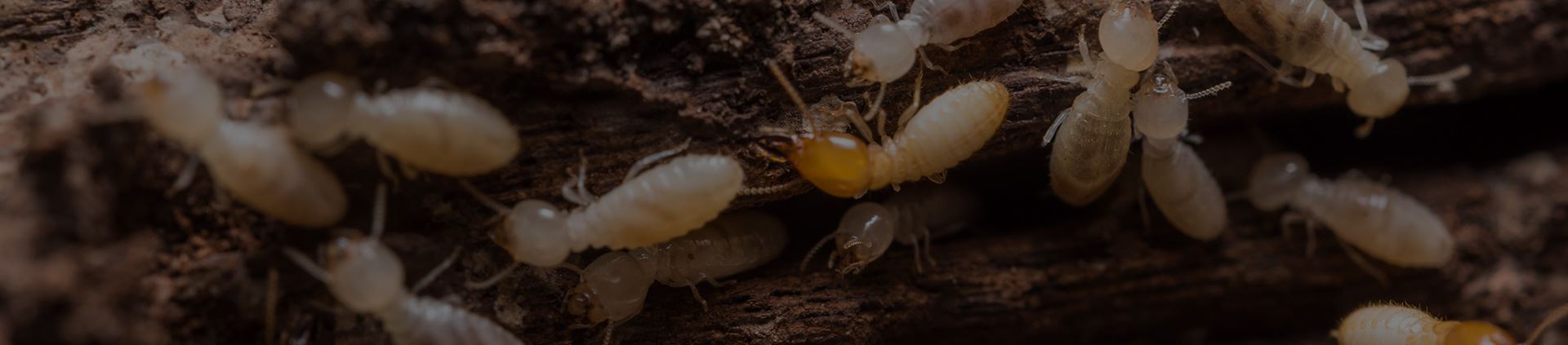
The NPMA-33 covers four insect categories: subterranean termites, carpenter ants, carpenter bees, and reinfesting wood-boring beetles. Subterranean termites, particularly Reticulitermes flavipes, the eastern subterranean termite, are the primary concern in this region. When your agent says termite inspection, they mean all four categories documented on that specific form.
Why Salem County Properties Carry Elevated Risk
Zone 2 isn’t an abstract regulatory label. It reflects documented termite pressure based on climate, soil conditions, and housing stock across New Jersey. Salem County’s older homes, proximity to agricultural land, and local soil conditions create an environment where conducive conditions are common even on properties with no active infestation. Conducive conditions (circumstances that attract or support wood-destroying insects) include excessive moisture in crawl spaces, wood-to-soil contact at the foundation, stored wood debris near the structure, and inadequate ventilation. These aren’t signs of neglect; they’re common features of older housing stock. The Zone 2 classification is what triggers the lender inspection requirement, and it’s also why inspectors in this region pay close attention to those structural details during every visual survey.
What the Inspection Covers and What It Doesn’t
A WDI inspection is a visual survey of accessible structural areas. Inspectors examine the foundation perimeter, crawl spaces, basements, attics, exterior and interior structural wood, and door and window frames. They document evidence of live insects, visible damage such as mud tubes or frass (the sawdust-like material wood-boring insects leave behind), signs of prior treatment, and conducive conditions.
Knowing what the NPMA-33 doesn’t cover is equally important for setting accurate expectations:
- Excluded pests: Rodents, cockroaches, and bed bugs aren’t part of the WDI report scope.
- Fungi and decay: Wood-decaying organisms aren’t documented on the NPMA-33.
- Repair estimates: The report documents findings but doesn’t include cost estimates for remediation or structural repair.
- Inaccessible areas: Sections blocked by stored items, finished walls, or other obstructions are noted as inaccessible and aren’t inspected.
The completed NPMA-33 is valid for 90 days from the inspection date. If closing is delayed past that window, a new inspection is required before the lender will proceed. When treatment is needed before closing, that 90-day limit can become a real constraint, which is why ordering the inspection early matters.
How to Read a Finding: Active Infestation, Prior Damage, & Conducive Conditions
Not all findings carry the same weight. Understanding the three categories the NPMA-33 uses makes a meaningful difference in how you respond.
Active Infestation
This finding documents live insects present at the time of inspection. Under FHA and VA guidelines, active infestation typically requires treatment before the loan can close. It doesn’t mean the deal is lost. It means treatment is needed, and closing can proceed once that’s completed.
Evidence of Prior Damage
This finding documents damage from a previous infestation that isn’t currently active. It doesn’t automatically block a loan or require treatment, but it often becomes a negotiation point. Buyers may request repair of the structural damage, or sellers may address it proactively to keep the transaction moving.
Conducive Conditions Only
This is the most common finding in Salem County and the least disruptive. It documents risk factors without confirming active insects or prior damage. A conducive conditions finding doesn’t mandate treatment or block a loan, but it does tell buyers and sellers which site conditions to address to reduce future risk.
What Sellers Should Know Before Listing
New Jersey sellers operate under the Real Estate Consumer Protection Enhancement Act, which establishes disclosure obligations that can include known infestations, prior pest treatments, and structural pest damage. If you know about a problem and don’t disclose it, that creates legal exposure well beyond a failed inspection.
Sellers who schedule a WDI inspection before listing are in a stronger position. Finding a conducive condition or prior damage on your own timeline, before a buyer’s lender is involved, gives you options. You can address the finding, price accordingly, or disclose it with documentation rather than having it surface mid-transaction when you have far less control over the outcome. A pre-listing inspection also removes the uncertainty that makes buyers hesitant: when an agent can tell buyers the property has already been inspected and findings are documented, the inspection contingency process moves faster and with less friction for everyone at the table.
Who Can Produce a Lender-Accepted WDI Report in New Jersey
This is the detail that catches people off guard. A general home inspector, even a licensed and experienced one, can’t produce a lender-accepted WDI report in New Jersey unless they also hold NJDEP Category 7B certification. Category 7B is the New Jersey Department of Environmental Protection’s certification for wood-destroying insects, and it’s required by state law before anyone can complete the NPMA-33 for lender submission. If the report isn’t signed by a Category 7B-certified applicator, the lender won’t accept it, which means a second inspection, more time lost, and a closing date at risk.
We hold the required NJDEP Category 7B certification and produce NPMA-33 reports accepted by lenders across Salem County. Preferred Termite & Pest is a member of the National Pest Management Association, a Salem County Chamber of Commerce member, and holds ISN-verified status, credentials that real estate agents and lenders recognize when coordinating closings. Brian Szymborski’s more than 30 years in pest control means every inspection is conducted by someone who has seen the full range of conditions this region produces.
Order the Inspection Early: Why the Timing Matters
The single most practical thing buyers can do is order the inspection early in the contract period, not in the final two weeks before closing. If an active infestation is found, treatment takes time. Order the inspection late and you’re compressing an already tight timeline. Sellers benefit from the same logic applied even earlier: schedule before listing, not after an offer arrives. The 90-day validity window gives you enough runway to address findings, order a follow-up if needed, and enter the transaction with a clean report in hand.
When you’re ready to schedule or have questions about what a finding in your report means, Preferred Termite & Pest handles both the inspection and any treatment that follows. Reach us at (856) 880-7082.